
Aspen's historic corridor offers a captivating journey through time, blending well-preserved Victorian architecture, art deco gems, and historical landmarks like the Wheeler Museum. The iconic St. Regis Hotel reflects its evolution from a mining outpost to a global winter destination. What to see in Aspen naturally centers on its historic core, vibrant art scene, and renowned ski resorts. Year-round, visitors can explore ecological diversity from mountains to rivers, with conservation efforts prioritizing sustainability. Guided tours enrich experiences, offering insights into Aspen's history, culture, and architectural marvels, making it a model for balanced tourism.
In the heart of the Rocky Mountains, Aspen stands as a testament to historic charm and breathtaking landscapes. For travelers seeking not just scenic beauty but also a rich cultural heritage, exploring what to see in Aspen offers an unparalleled opportunity. This guide is designed to navigate the intricate tapestry of history and natural splendor that defines this iconic corridor, providing insights into the past while highlighting the must-visit destinations that encapsulate Aspen’s enduring allure. By the end, readers will possess the knowledge and inspiration to delve deep into this historic haven, experiencing its timeless essence firsthand.
- Discovering Aspen's Historical Treasures: A Journey Through Time
- Exploring the City's Cultural Heritage: What to See in Aspen
- Unlocking Hidden Gems: Nature's Role in Aspen's Historic Corridor
Discovering Aspen's Historical Treasures: A Journey Through Time

Aspen’s historic corridor is a time capsule for anyone interested in what to see in Aspen. This vibrant mountain town has preserved its past while embracing its present, creating an unparalleled experience for history buffs and culture vultures alike. A journey through its charming neighborhoods reveals well-preserved Victorian architecture, art deco gems, and remnants of the town’s rich mining heritage. Among these historical treasures are notable landmarks like the Wheeler Museum, which showcases the region’s Native American, mining, and ranching history, and the Aspen Historical Society, where visitors can delve into the town’s early days as a bustling silver mining camp.
The Aspen ski resorts, iconic symbols of the town’s global reputation, also offer a glimpse into its evolution. The historic St. Regis Hotel, for instance, stands as a testament to Aspen’s transformation from a mining outpost to an elite winter destination. Its opulent interiors and scenic location reflect the changing face of the city, while its rich history provides a fascinating contrast to the modern amenities it offers today. Similarly, exploring the town’s vibrant art scene, with galleries showcasing everything from contemporary works to historic photographs, underscores Aspen’s ability to blend preservation with innovation.
For those looking to immerse themselves in what to see in Aspen beyond the ski slopes, a stroll through the South End offers a captivating journey back in time. This neighborhood boasts well-preserved Victorian homes and bustling boutiques, providing a stark contrast to the sleek modern architecture found elsewhere in town. Visiting these historic sites not only allows visitors to appreciate Aspen’s rich cultural heritage but also offers a unique perspective on how the town has evolved over the years, making it an indispensable stop for anyone seeking a deeper understanding of this renowned destination.
Exploring the City's Cultural Heritage: What to See in Aspen
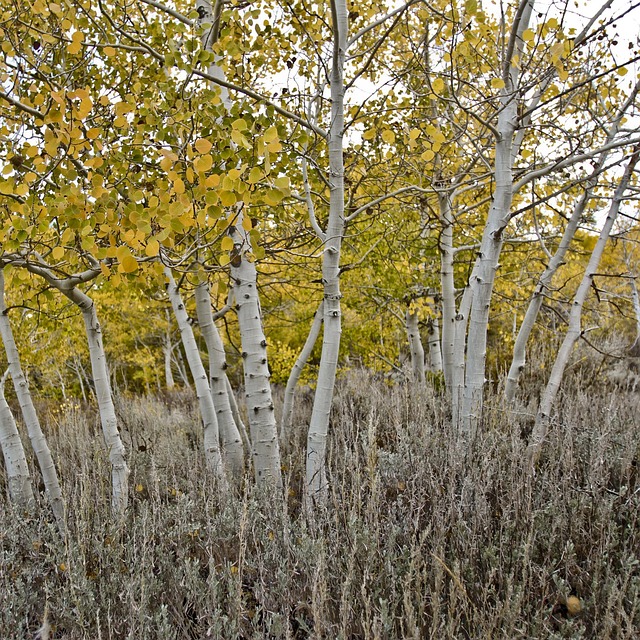
Aspen’s cultural heritage offers a rich tapestry for visitors to explore, with a history spanning indigenous cultures, gold rush boomtowns, and world-renowned ski resorts that have shaped its modern identity. For those seeking to delve deeper into the city’s past, there are numerous landmarks and attractions that provide a glimpse into Aspen’s storied history.
What to see in Aspen naturally centers around its historic core, where elegant Victorian architecture lines the streets, testifying to the town’s late 19th-century beginnings as a health resort. The Aspen Historical Society Museum is an excellent starting point, showcasing artifacts and exhibits that trace the region’s indigenous roots and subsequent transformation into a winter sports mecca. Exploring the city’s art scene further reveals a vibrant cultural landscape, with galleries housing works by renowned artists who have been drawn to Aspen over the decades.
The area’s aspen ski resorts are not just destinations for outdoor enthusiasts; they also contribute significantly to the city’s character and economic vitality. Aspen Mountain, Aspen Highlands, Buttermilk, and Snowmass all offer unique experiences, from challenging slopes for experts to beginner-friendly terrain. These resorts have not only attracted world-class athletes and skiers but have also inspired architectural marvels, such as the iconic St. Regis Aspen Resort, known for its luxurious amenities and stunning mountain views.
For a comprehensive understanding of what to see in Aspen, consider joining guided tours that delve into the city’s history and architecture. Local experts can point out hidden gems, share lesser-known stories, and provide insights into the cultural evolution that has made Aspen such a distinctive destination. Whether exploring historic sites or enjoying world-class ski experiences, visitors will find that delving into Aspen’s cultural heritage enriches their overall experience of this extraordinary mountain town.
Unlocking Hidden Gems: Nature's Role in Aspen's Historic Corridor

Aspen’s historic corridor stands as a testament to its rich past, where nature plays a pivotal role in preserving and enhancing its charm. This scenic stretch is more than just a collection of buildings; it’s a living narrative that intertwines with the region’s renowned ski resorts, offering visitors an immersive experience that combines history, culture, and breathtaking natural beauty. What to see in Aspen naturally highlights the area’s ecological diversity, from majestic mountainsides to pristine rivers, each contributing to the unique character of this historic corridor.
The corridor’s heart beats with life during summer and winter alike. In warmer months, hikers and cyclists discover hidden gems like the Maroon Bells, a stunning range of peaks that serve as a backdrop for numerous outdoor activities. Aspen ski resorts, such as Aspen Mountain and Snowmass, not only offer world-class slopes but also provide access to diverse wilderness areas, ensuring visitors can fully immerse themselves in nature’s wonders. For instance, the Aspen Backcountry offers over 300 miles of undisturbed trails, allowing adventurers to explore pristine forests and meadows untouched by development.
Moreover, the natural environment plays a crucial role in preserving the corridor’s historic integrity. Local conservation efforts focus on balancing economic growth with ecological preservation, ensuring that what to see in Aspen naturally remains intact for future generations. This harmonious blend of history and nature creates an exceptional destination where visitors can step back in time while surrounded by awe-inspiring landscapes. By embracing and showcasing these natural attributes, Aspen’s historic corridor becomes a model for sustainable tourism, inviting travelers to connect with both the past and the pristine outdoors that define this remarkable region.